


Do-it-yourself kids
Speculative/Critical design
Do-It-Yourself Kids is a medical kit for children to assist their parents, highlighting the strain on healthcare due to worker shortages and an aging population. This critical design questions if this is the future we want for ourselves and our children.
Assignment
For this project, we were tasked with delving into social systems to identify existing frictions and address the issues they create. We explored the healthcare system, the frictions faced by different parties, and the impact of the growing trend of healthcare workers quitting, along with the effects of "vergrijzing" (aging population) on the social system we live in. The goal was not to offer a concrete solution but rather to design something that sparks conversation and debate. Our focus was to highlight the current challenges faced by individuals, while also raising awareness of the potential future consequences if these issues are not addressed.

Process
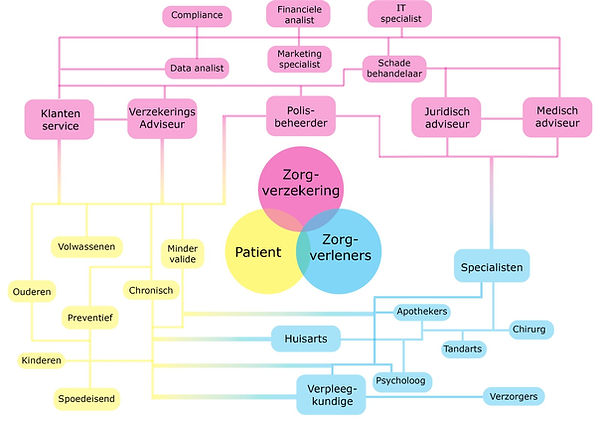
We began by exploring the healthcare system, identifying the various parties involved and their roles. Through our research, we discovered that the three most significant stakeholders were health insurance companies, healthcare workers, and patients. Each of these groups has different expectations and goals, often leading to friction between them. We also found that while the communication between healthcare workers and patients is generally strong, there are limited ways to contact health insurance companies. Meaningful communication is often gatekept by hotlines, which leads to situations where patients have to manage their own care because healthcare workers cannot provide assistance without approval from the insurance companies.
Challenge
The challenge was figuring out how to translate this issue into a critical design. We wanted to highlight the growing reality that patients must take care of themselves, and that access to professional help is becoming increasingly difficult. However, we initially struggled to find a way to present this issue in a manner that would spark debate. Eventually, we landed on the idea of having children take on the role of caregivers at a younger age, essentially training them to be "at-home DIY healthcare workers." The challenge then became how to design medical equipment that would appeal to children without making it look like a toy, while still keeping it functional and respectful of the serious nature of healthcare.

Result
We designed a "do-it-yourself" medical kit tailored to specific needs, such as gynecology, surgery, and euthanasia — medical services that many people struggle to access or get timely appointments for. This kit is complemented by a commercial that uses a sarcastic and playful tone, pushing the absurdity of the narrative while encouraging the user to reflect on their future. It prompts them to question whether this is a reality they would want for themselves or for their children, and if there is a way to change the social system or healthcare structure to prevent such a future.
